How does AI invoice automation speed up closing the books?
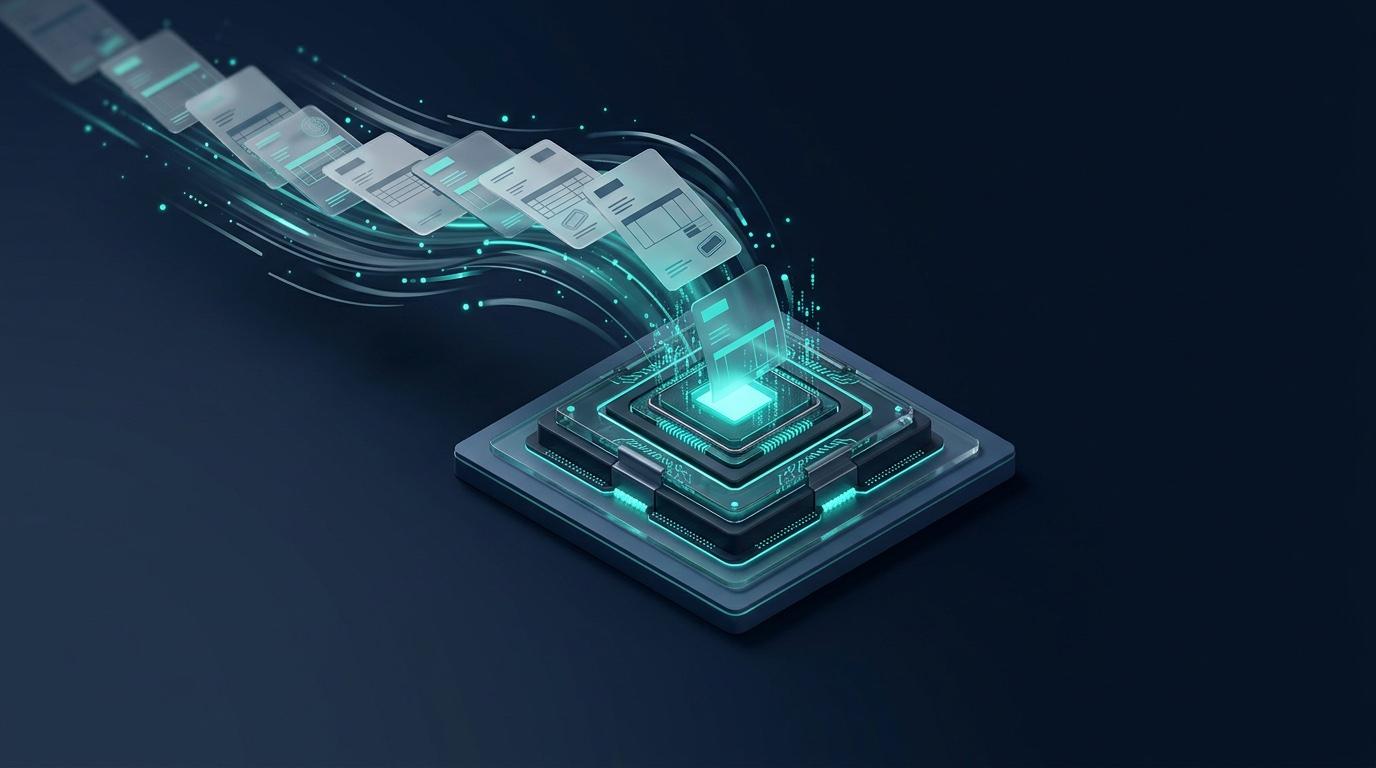
AI invoice automation reads each invoice the moment it arrives, pulls out the supplier, amount, tax and line detail, codes it to the right account, matches it to the purchase order and posts it for review. The work that used to be typed by hand, one invoice at a time, happens in seconds. For most SMEs that is where the month-end close slows to a crawl, so removing it cuts the time to close by up to 80%, and a person still reviews and signs off.
Key facts
- It automates submission and capture, the slowest part of the close, not the judgement.
- Invoices in and bills received both flow through it, coded and matched automatically.
- A person still reviews and approves. Automation drafts the entry; a qualified accountant signs it off.
- It compounds with UAE e-invoicing from 2027, when invoices arrive as structured data rather than PDFs.
Why the close takes so long today
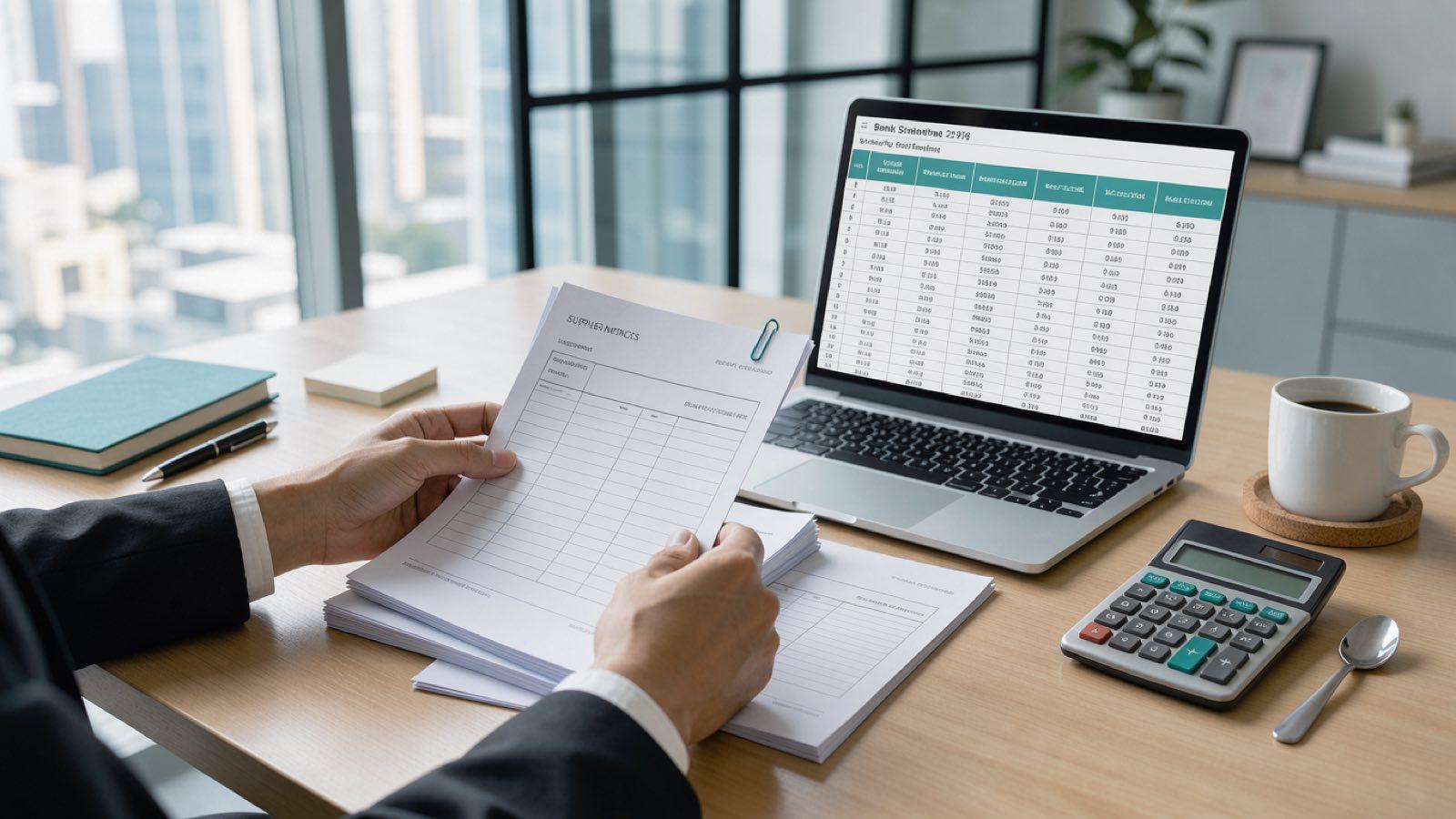
Ask any founder why their accounts are three weeks behind and the answer is almost never "the accounting is hard". It is that someone has to take a few hundred invoices, read each one, type the supplier, the amount, the tax, the account code, then match it against what was ordered and what was received. One invoice is a minute. A few hundred is most of a week, every month, before anyone has looked at a single number.
That manual entry is the bottleneck. It is slow, it is where the typos live, and it is the reason the numbers you make decisions on are always describing last month rather than this one.
What AI invoice automation actually does
The automation takes over the mechanical part of that chain:
- Capture. An invoice arrives, by email, upload or a connected supplier feed, and the system reads it. No retyping.
- Extract. It pulls the supplier, date, amount, tax and line items off the document, whatever the layout.
- Code. It proposes the right account and tax treatment, learning your chart of accounts as it goes.
- Match. It checks the invoice against the purchase order and the goods received, and flags the ones that do not line up.
- Post for review. The draft entry lands in your ledger ready for a person to approve, not to retype.
The result is that the close stops waiting on data entry. The invoices are already in, already coded, already matched. What is left is review, and review is fast when the exceptions are the only thing in front of you.
Where the 80% comes from
The time saving is not magic and it is not evenly spread. It comes almost entirely from removing manual capture and first-pass coding, which is the bulk of the hours in a typical close. When that disappears, a close that took two to three weeks can land in a few days.
The figure is a range, not a promise. A business with clean suppliers, consistent invoices and a tidy chart of accounts sees the top of it. A business with messy data sees less until the data is cleaned up, which is work worth doing anyway. Treat "up to 80%" as the prize for getting your inputs in order, not a number that applies on day one.
What stays human
Automation is good at the repetitive, rules-based part and poor at judgement. So the split is deliberate:
- The machine captures, extracts, codes, matches and drafts.
- A qualified accountant reviews the exceptions, approves the entries, and owns the final numbers.
This matters for more than quality. Your books support VAT and corporate tax filings, and from 2027 the Federal Tax Authority will see transaction-level data through e-invoicing. The entries have to be right, and "the software did it" is not a position you want to defend. Automation makes the work faster. A person is still accountable for it.
It sets you up for e-invoicing
From July 2027, UAE e-invoicing means invoices move between businesses as structured data rather than PDFs, with the tax data reported to the FTA. A business that already runs AI invoice automation is most of the way there: the pipes that capture, code and match invoices are the same pipes that handle structured e-invoices. Automating now is not a separate project from e-invoicing readiness. It is the first half of it.
Common misunderstandings
"Automation replaces the accountant." It replaces the typing. The accountant moves from data entry to review and advice, which is where they were always worth more.
"It only works if our invoices are tidy." Cleaner inputs get a bigger saving, but the capture and coding work on messy ones too. The clean-up is part of the gain, not a barrier to it.
"We are too small to bother." Small teams feel the manual close hardest, because the person doing it is usually also running the business.
---
Last reviewed 4 November 2026. This is general guidance, not advice on your specific position. Speak to a licensed adviser before acting.
Related
- Your financial health score: know where you stand, then grow
- E-Invoicing for UAE SMEs: your 2027 readiness guide
- How much does accounting cost in Dubai?
Speak to someone
Want your books closed in days instead of weeks? Daira is a UAE licensed accounting and tax firm, and OneFinance automates invoice capture end to end, reviewed by a qualified accountant. Book a call
Topics
How Daira can help
Daira is a UAE licensed accounting and tax firm. If this is on your plate, these are the right next steps.